Background
The council invited feedback on a proposal to install permanent bollards along the existing no-vehicle zone at Sellicks Beach.

Work to install timber bollards at Sellicks Beach began on Friday 8 May and completed on Friday 15 May 2026.
A total of 29 bollards have been installed, spaced 1.5 metres apart, covering 46 metres, extending into the tidal zone.
They have been aligned with the existing sign located 700 metres south of the Sellicks Beach vehicle access ramp. A 3 metre wide gate has also been installed, and it remains unlocked.
The bollards are intended to prevent vehicles from entering restricted areas; maintain car-free beach areas to support safe, uninterrupted pedestrian access; improve safety for beachgoers; and protect the coastal environment. The bollards’ installation won’t impact the current drive-on section of Sellicks Beach. We have similar bollards at the southern end of nearby Moana Beach and adjacent the Aldinga Bay Surf Life Saving Club, which have been a stable solution for years.
The bollards are Alkaline Copper Quaternary (ACQ) treated pine which makes it a more environmentally friendly option for outdoor construction and there is no environmental impact anticipated.
There are no current plans for further restrictions to car access on beaches, but we’ll continue to evaluate our approach to strike the best balance between beach access, safety and protecting sensitive areas of coastline.
We regularly evaluate our approach to vehicles on beaches, including through a 2019–20 review of management of vehicle compliance on protected foreshore areas – which included community engagement. A further review was conducted in 2024.
We remade foreshore by-laws in 2022–23, introducing Hooded Plover protection zones through new dog and vehicle-prohibited areas (prohibiting vehicles from within 20m of a sign indicating a breeding site, and requiring dogs to be on lead within 100m of a sign). We also increased fees for offenders breaching our by-laws and entering vehicle prohibited areas. The fine is now $312.50 (previously $187).
Our community safety officers (or ‘rangers’) monitor beaches every day during peak times to provide community education and enforcement controls on a range of matters including vehicle compliance, littering, dogs on leads during prohibited times, keeping a safe distance from Hooded Plover nesting sites, as well as supporting Marine Safety SA in its regulation of personal watercrafts.
We also enforce vehicle-free areas (including temporary signage and vehicle exclusions around Hooded Plover nest sites) and a seasonal beach closure south of the Aldinga Beach vehicle access ramp from 1 May to 30 September. Other roles and responsibilities include working with Hooded Plover volunteers to protect the endangered species.
Thank you to everyone who provided feedback as part of this engagement. You can let us know how you feel about the engagement process and project outcomes via our 'How did we do' evaluation survey.
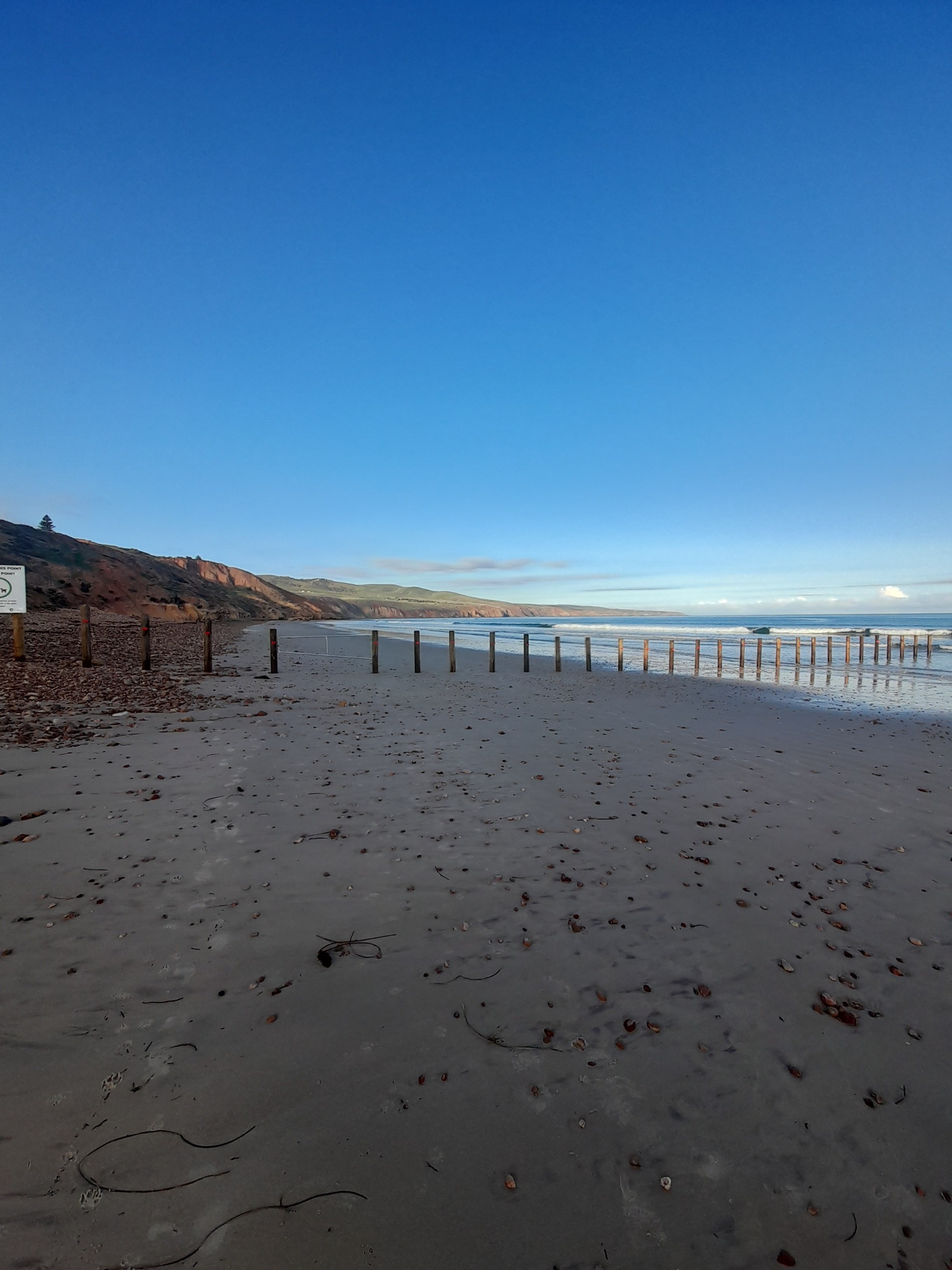
The council invited feedback on a proposal to install permanent bollards along the existing no-vehicle zone at Sellicks Beach.
Community engagement was open between 1 December 2025 to 1 February 2026, 75% of the total feedback through Your Say Onkaparinga feedback tool showed support the installation of bollards.
Read the latest update or catch up on any news you missed relating to this project.